
Vitamin B4: Myths and Truths About Adenine
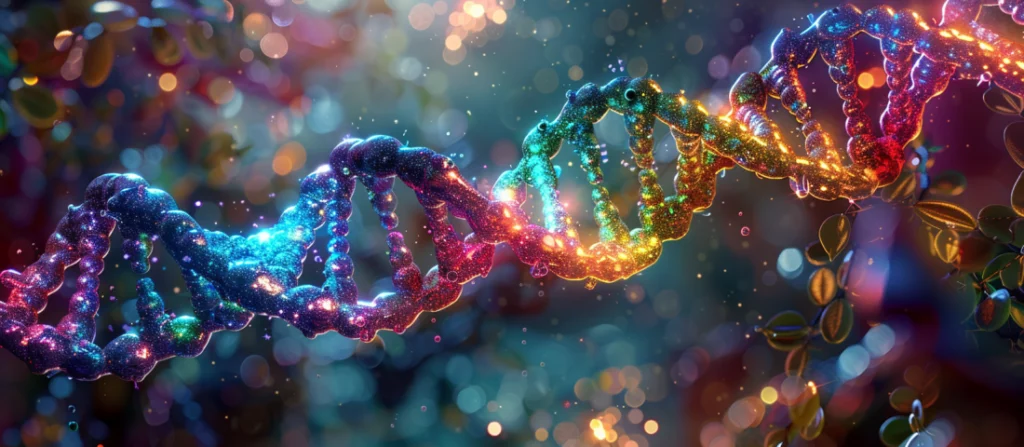
Vitamin B4, also known as adenine, is often mentioned in connection with the group of B vitamins, although modern science does not regard it as a true vitamin. Adenine is one of the four nucleobases in the DNA structure and plays a crucial role in many cellular functions, including energy transfer and the synthesis of nucleic acids.
In the past, adenine was sometimes called vitamin B4 because it was believed to be as essential for human health as the other B vitamins. Today we know that adenine can be produced by the body itself and is therefore not classified as a vitamin in the traditional sense. Nevertheless, it remains an important component of cell metabolism.
Adenine is involved in the formation of adenosine triphosphate (ATP), the cellular “energy currency” needed for almost all biological processes. It is also an integral part of other important molecules such as NAD (nicotinamide adenine dinucleotide) and FAD (flavin adenine dinucleotide), both of which act as coenzymes in oxidation-reduction reactions.
Although adenine is not considered a necessary dietary supplement, its role in the body should not be underestimated. A balanced diet rich in all nutrients supports the natural production of adenine and other similarly important molecules. Foods rich in nucleic acids, such as meat, fish and legumes, help maintain the body’s pool of adenine.
In summary, although vitamin B4 (adenine) is not classified as an essential vitamin, its importance for cellular energy metabolism and genetic function makes it an indispensable part of our biochemical machinery. A deep understanding of its functions can help us better understand and appreciate the complex processes in our cells.