
The Messages of Our Emotions
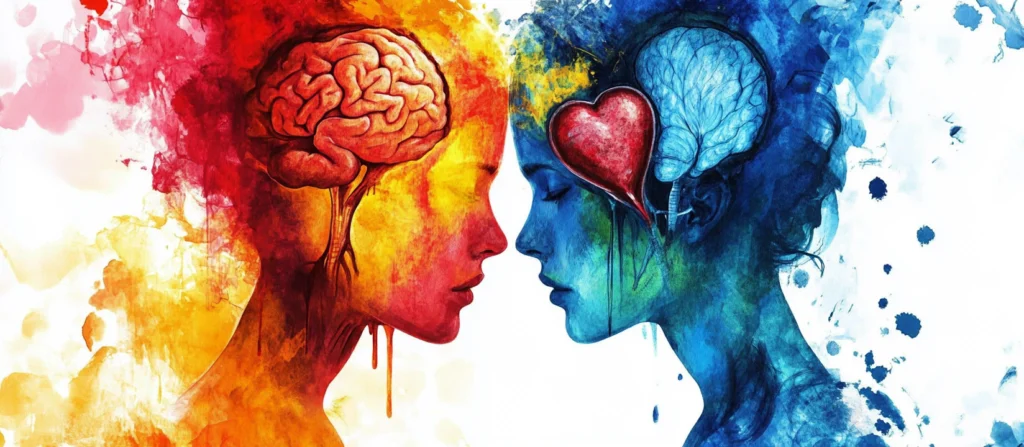
Emotions are not just fleeting reactions and sensations in response to external circumstances – they also carry deeper messages that can help us understand our inner selves better. Every emotion, whether positive or negative, gives us valuable information about our needs, our boundaries and our inner unresolved conflicts. By learning to recognise and interpret the messages of our emotions, we can develop a deeper understanding of ourselves and improve our quality of life.
The meaning of different emotions
1. Fear: Fear is one of the most primal emotions, protecting us from potential dangers. Its message is often that we need to prepare for a possible threat or withdraw from a dangerous situation. Sometimes, however, fear also signals that we need to face new challenges in order to grow.
2. Anger: Anger shows us that our boundaries have been crossed or that we feel treated unfairly. It calls on us to stand up for ourselves, to speak our truth and to correct injustices. Anger can be a powerful signal that we need to make changes in our lives in order to protect our well-being.
3. Sadness: Sadness is often a sign that we have suffered a loss or that we have to part from something that is important to us. This emotion invites us to pause, to reflect and to heal. It reminds us that it is fine to let go and make room for something new.
4. Joy: Joy is the positive confirmation that we are on the right path. It shows us that our needs are being met and that we are living in harmony with our inner values. Joy encourages us to do more of what makes us happy and to connect with others.
5. Guilt and shame: These emotions are often hard to bear, but they carry important messages. Guilt shows us that we have violated our own moral standards and calls on us to take responsibility and make amends. Shame, on the other hand, points to deeper insecurities; it is an emotion of inadequacy and failure. Shame calls on us to strengthen our self-esteem and live more authentically. By forgiving ourselves and accepting our vulnerability, we can free ourselves from shame.
6. Jealousy: Jealousy signals that we desire something others have. It is a painful emotion that points to insecurity and a lack of self-esteem. Jealousy can motivate us to define our goals more clearly and use our resources to achieve what we want. At the same time, jealousy calls on us to reflect on ourselves and check whether our wishes are really in line with our true needs. We can also use it as an opportunity to strengthen our self-love.
7. Resentment: Resentment is a mixture of envy and annoyance that keeps us from being happy about the success of others. In response we should concentrate and focus on our own strengths and abilities.
8. Hatred: Hatred is a destructive emotion that harms ourselves and others. Hatred can be overcome through love and forgiveness. By opening ourselves to compassion and understanding, we can break the cycle of hatred and find peace.
How we can decode the messages of our emotions
1. Mindfulness: Through mindfulness practice we can learn to recognise and observe our emotions in real time, without immediately judging or suppressing them. Mindfulness helps us understand the fine nuances of our emotional reactions and decode the underlying messages.
2. Self-reflection: By questioning our emotions and asking why we feel a certain way, we can gain deeper insight into our inner needs and conflicts.
3. Bodily sensations: Emotions often manifest in the body. Fear, for example, can cause a queasy feeling in the stomach, while joy creates a feeling of lightness. By paying attention to our bodily sensations, we can better understand the messages of our emotions.
4. Communication: Talking about our emotions with others can help us gain clarity and better understand the meaning of our feelings. Conversations often bring new perspectives and insights.
The importance of accepting emotions
Emotions are not enemies we have to fight – they are valuable companions who help us shape our lives more consciously and authentically.
By learning to accept our emotions and understand their messages, we can build a deeper connection to ourselves and to others. Accepting emotions enables us to develop our full potential and lead a fulfilled life.
Conclusion
Our emotions carry important messages that help us recognise our needs, boundaries and inner conflicts. Through mindfulness, self-reflection and communication we can decode these messages and use them to lead a more conscious and fulfilled life. Accepting and processing our emotions is the key to emotional well-being and inner growth.