
How Children Experience Inner Pain in Upbringing
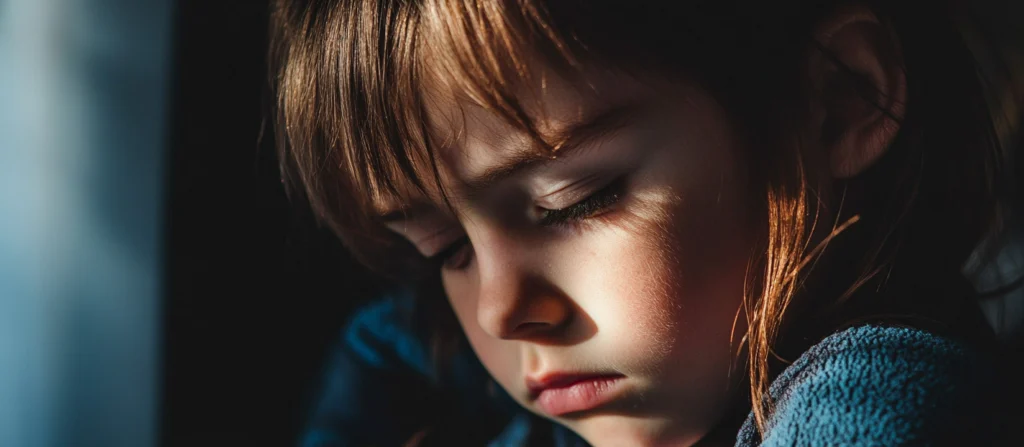
Children are by nature sensitive and open to the world around them. During upbringing they go through many developmental phases that bring not only physical but also emotional and mental challenges. In this process children can also experience inner pain, which is often invisible and affects their well-being in subtle ways. This inner pain arises from emotional hurt, misunderstandings, overwhelm or a lack of support and recognition.
What is inner pain in children?
Inner pain in children is emotional and psychological suffering that arises from experiences or interactions in everyday life. This pain is often hard to recognise, because children, especially at a young age, are not always able to express their feelings clearly. Nevertheless, the effects of this inner pain are profound and can affect a child’s whole life.
The most common causes of inner pain in children include:
1. Overwhelm and pressure to perform
In our modern society children are often exposed to high pressure to perform – at school, in sport or in their social environment. If they feel they are not living up to expectations, this can lead to deep emotional hurt. They may feel not good enough, which manifests as reduced self-esteem and inner pain.
2. Lack of emotional support
Children need love, attention and emotional security in order to develop healthily. If they feel that their needs are not being met sufficiently or that they are not being heard, they can develop emotional pain. This pain often arises from the feeling of being neglected or not understood.
3. Conflicts in the family environment
Quarrels or tension in the family, especially between the parents, can burden children heavily. They often feel responsible for the conflicts or are unable to put their fears and worries into words. These emotional burdens manifest as inner pain that affects the children’s behaviour and psychological well-being.
4. Negative beliefs and emotional wounds
Children often unconsciously absorb negative beliefs from their environment. Sentences such as “You are not good enough” or “You do everything wrong” can penetrate deep into a child’s subconscious and cause blockages there that last a long time. Such beliefs lead to insecurity and inner pain that impair the child’s development.
5. Traumatic experiences
Traumatic experiences such as the loss of a loved one, bullying or physical abuse can leave deep emotional wounds. Children who go through such traumatic experiences often carry inner pain that is hard to process and affects their psychological and emotional health for years.
How does inner pain show in children?
Inner pain in children can express itself in various ways, and it is not always immediately obvious that a child is suffering. The most common signs include:
– Withdrawal and isolation
– Tantrums or sudden aggressive behaviour
– Sadness and signs of depression
– Sleep disorders or nightmares
– Difficulty concentrating at school
– Physical complaints such as stomach aches or headaches without a recognisable cause
It is important that parents, teachers and caregivers pay attention to these signals, as they are often the only indication that a child is experiencing inner pain.
How can energy medicine help children?
Energy medicine offers gentle and effective methods to ease children’s inner pain and restore their emotional and energetic balance. Techniques such as bioenergy therapy, chakra work or gentle energy healing are used, tailored specifically to children’s needs. These techniques support children in releasing their energetic blockages and healing emotional wounds.
An essential part of energetic work with children is creating a safe and loving space in which they can express their feelings. Since children often find it difficult to express their inner pain verbally, energy healing can help them process and release it on subtle levels.
The role of parents in energy healing
Parents play a crucial role in their children’s healing process. They should be aware that their own emotional and energetic state has a great influence on their children. Children often unconsciously absorb their parents’ energies, which means that the parents’ unresolved blockages and emotional wounds can also pass to the child.
Through their own energetic healing and by creating a loving and stable environment, parents can actively help their children feel safe and secure. Parents can also benefit from energetic techniques to regain their own emotional balance and thus create a harmonious and supportive environment for their children.
Prevention and healing of emotional wounds in children
It is very important to support children early in healing their emotional pain and keeping their inner balance. Here are some ways parents and caregivers can help:
– Encourage open communication: Children should know they may express their feelings without fear of rejection or criticism. Open conversations about emotions help them recognise and process their inner pain.
– Include energetic healing methods: Energetic sessions, whether through bioenergy therapy or other healing methods, can help promote children’s energetic balance and release inner blockages.
– Teach mindfulness and relaxation techniques: Children can benefit from relaxation techniques such as meditation or breathing exercises to calm their minds and reduce stress.
– Create a stable and loving environment: An environment in which children feel safe and loved is crucial for avoiding emotional hurt and promoting their inner strength.
Conclusion
Children in upbringing often experience inner pain that is deeply rooted in their emotional and psychological state. This pain can be caused by various factors such as overwhelm, lack of emotional support or traumatic experiences. It is important to recognise this invisible suffering early and take suitable measures to heal it.
Energy medicine offers gentle and effective ways to help children heal their emotional wounds and restore their energetic balance. By taking children’s emotional needs seriously and offering them support, parents and caregivers can make an essential contribution to their children’s long-term health and well-being.