
Symptoms of Pollutant Exposure: How to Recognise the Signs and Counteract Them
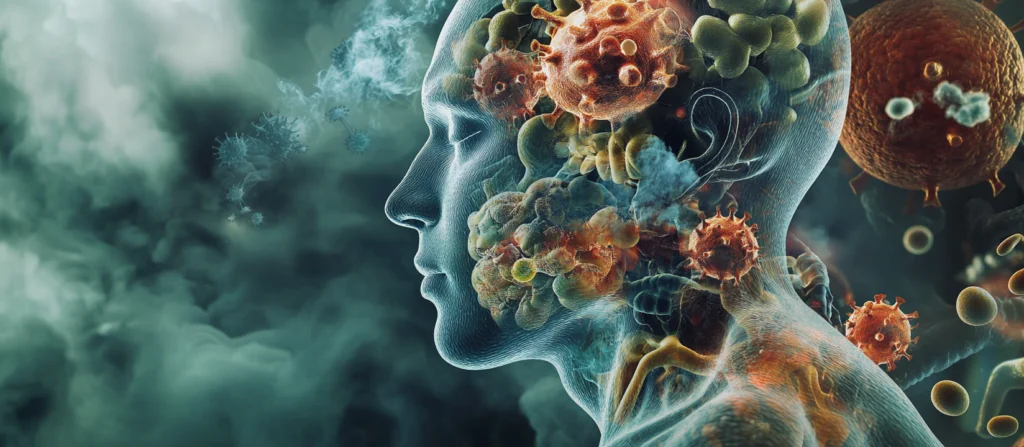
In our modern world we are exposed every day to a variety of pollutants that enter our body unnoticed and can cause long-term damage there. This pollutant exposure often shows up through non-specific symptoms that are easily overlooked or attributed to other causes. But which symptoms point to pollutant exposure, and how can we protect ourselves? In this post you will learn how pollutants make themselves felt in the body, what health consequences they can have and how energy medicine can help detoxify the body and increase well-being.
What are symptoms of pollutant exposure?
Pollutant exposure can cause a variety of symptoms, both physical and mental in nature. These symptoms vary depending on the type and duration of exposure and on individual sensitivity. Here are some of the most common signs that can point to exposure to environmental toxins:
1. Chronic tiredness and lack of energy
When the body is constantly busy detoxifying pollutants, valuable energy reserves are used up. This leads to chronic tiredness, lack of energy and a general feeling of exhaustion that is not relieved even by enough sleep.
2. Headaches and dizziness
Toxins such as heavy metals or chemical vapours can affect the nervous system and lead to frequent headaches, migraines or dizziness. These symptoms often occur suddenly and are hard to attribute.
3. Respiratory problems
Pollutants in the air, such as fine dust, mould spores or chemical vapours, can irritate the airways and lead to symptoms such as chronic cough, shortness of breath, tightness in the chest or allergic reactions.
4. Allergies and skin problems
The skin is an important detoxification organ of the body. Pollutant exposure can show up in the form of skin problems such as acne, eczema, itching or skin rashes. These symptoms occur especially often on contact with toxic substances from cosmetics, cleaning products or textiles.
5. Digestive problems
Pollutants taken in through food or water can burden the digestive tract. Symptoms such as bloating, constipation, diarrhoea or nausea are common signs of toxins burdening the digestive system.
6. Hormonal disorders
Many environmental toxins act as endocrine disruptors that disturb the hormonal system. This can lead to symptoms such as irregular menstrual cycles, weight gain, sleep disorders or mood swings.
7. Problems with concentration and memory
Toxic exposure can also impair cognitive performance. Difficulty concentrating, memory lapses or confusion can occur when the brain is affected by pollutants.
8. Weak immune system
A body burdened by pollutants has difficulty defending itself against pathogens. This often shows up as frequent infections, prolonged colds or a general susceptibility to illness.
9. Liver and kidney problems
10. High blood pressure, circulatory disorders
11. Tumours
Causes of pollutant exposure
There are many sources of pollutants that can burden our body. The most common include:
1. Air pollution
Exhaust fumes, industrial emissions and fine dust in the air contain harmful particles that enter our body through the airways. Indoors, too, there are sources of pollutants such as mould, chemicals from cleaning products or fumes from furniture and carpets.
2. Food and water
Pesticides, herbicides and chemical additives in food burden the body. Heavy metals such as mercury or lead can also enter the body through contaminated drinking water or contaminated fish.
3. Cosmetics and personal care products
Many cosmetics contain harmful substances such as parabens, phthalates and synthetic fragrances, which are absorbed through the skin and can impair the hormonal balance and the immune system.
4. Cleaning agents and household products
Cleaning products often contain aggressive chemicals that burden the body on skin contact or inhalation. Household items such as plastic containers can also release plasticisers and other toxic substances.
5. Medication and vaccines
Regularly taking medication or contact with vaccines containing preservatives can also contribute to the accumulation of pollutants in the body.
Long-term effects of pollutant exposure
When the body is permanently burdened with pollutants, this can have long-term health consequences. Possible effects include:
– Chronic illnesses: Persistent exposure to environmental toxins can increase the risk of chronic illnesses such as cardiovascular problems, autoimmune diseases or neurological disorders.
– Hormonal dysregulation: Disturbances in the hormonal system can lead in the long term to infertility, thyroid problems or metabolic disorders.
– Cognitive impairment: Toxins can impair brain function and increase the risk of degenerative diseases such as Alzheimer’s or Parkinson’s.
– Liver and kidney damage: These organs are responsible for the body’s detoxification. Constant overload by pollutants can lead to functional disorders and diseases.
How energy medicine can help
Energy medicine offers valuable methods to support the body in detoxification and reduce the negative effects of pollutant exposure. The most effective techniques include:
1. Energy healing: These methods help harmonise the flow of energy in the body and release energetic blockages caused by pollutants. They promote the body’s self-healing powers and support the detoxification organs.
2. Chakra healing: Working on the chakras can help remove energetic disturbances caused by toxins. In particular the solar plexus chakra, which is responsible for the digestive tract, and the root chakra, which supports grounding and stability, should be strengthened.
3. Acupuncture: This traditional method helps regulate the flow of energy in the body’s meridians and strengthen the detoxification organs. It can effectively help ease symptoms caused by pollutants.
Preventive measures to reduce pollutants
To avoid chronic exposure to pollutants, it is important to integrate some preventive measures into everyday life:
– Use natural cleaning products and cosmetics: Avoid products with harmful chemicals and turn to natural alternatives.
– Make sure the indoor air is clean: Ventilate regularly, use air purifiers and avoid chemical sprays.
– Buy organic food: Pay attention to the origin of your food and prefer organic, unprocessed products in order to reduce the intake of pesticides.
– Drink filtered water: Use water filters to remove heavy metals and pollutants from drinking water.
Conclusion
Symptoms of pollutant exposure can be varied and show up in different ways. These signs are often not connected with toxic exposure, yet they can point to a serious threat to health. Through a combination of preventive measures and energy healing you can support your body in eliminating pollutants and increase your well-being. Pay attention to your body’s signals and take action early in order to avoid long-term health damage.