
How Emotions Influence Our Health
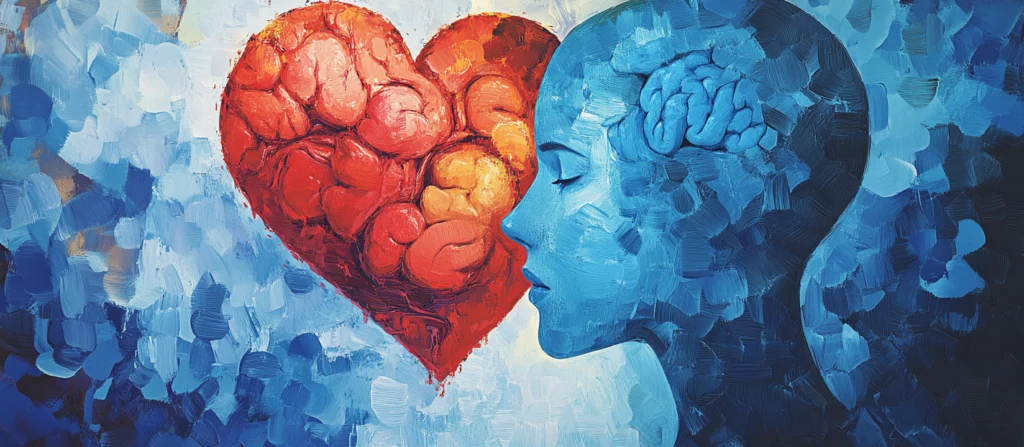
Our emotions have a profound influence on our physical health and our general well-being. It is now well documented that emotional states can influence not only our mind but also our body. Whether stress, fear, joy or grief – every emotion triggers a series of physical reactions in the body that can have both positive and negative effects in the long term.
The connection between emotions and health
1. Stress and its effects: Stress is one of the most-studied emotions with a direct influence on health. Chronic stress leads to a constant release of stress hormones such as cortisol and adrenaline. These hormones prepare the body for a “fight-or-flight” reaction, which can be helpful in acute situations. With chronic stress, however, this state can lead to high blood pressure, cardiovascular disease, digestive problems and a weakened immune system. In the long term this increases the risk of serious illnesses such as heart attacks and strokes.
2. Fear and its physical symptoms: Anxiety can lead to a variety of physical symptoms, including breathing difficulties, muscle tension, gastrointestinal problems and sleep disorders. People who suffer from chronic anxiety often report constant headaches, exhaustion and an increased risk of gastrointestinal conditions such as irritable bowel syndrome.
3. Grief and its long-term consequences: Grief is an intense emotion that often occurs after the loss of a loved one. This emotion can weaken the immune system, disturb sleep and lead to depression. People in grief often experience an increased risk of chronic illness and a general deterioration in health. Grief also weakens the lungs. Deep sadness and a feeling of being lost can impair breathing and weaken the lungs.
4. Anger and its effects: Anger weakens the liver. It can lead to a feeling of frustration and stagnation, which can manifest in liver problems.
5. Worry and its physical symptoms: Worry weakens the stomach. Constant worry and also fears can lead to digestive disorders and stomach problems.
6. Positive emotions and health: While negative emotions are often in the foreground, positive emotions such as joy, gratitude and contentment also have a significant influence on health. Positive emotions promote the release of “happiness hormones” such as endorphins, serotonin and dopamine, which lower blood pressure, strengthen the immune system and improve general quality of life. Studies have shown that people who regularly experience positive emotions have a longer life expectancy and are less prone to chronic illness.
7. The influence of suppressed emotions: When emotions are suppressed or not processed, they can also have negative effects on health. Suppressed anger or grief can lead to chronic pain, digestive problems and cardiovascular disease. It is therefore important to recognise emotions consciously, process them and, where necessary, work on them with professional support.
Ways to improve emotional health and well-being
1. Mindfulness and meditation: These techniques can help recognise and process negative emotions before they have a negative effect on health. Meditation can reduce stress, promote emotional stability and improve general well-being.
2. Physical activity: Exercise releases endorphins, which act as natural mood lifters. Regular physical activity can help relieve stress, ease anxiety and increase general well-being.
3. Healthy relationships: Strong social bonds and supportive relationships are crucial for emotional health. Exchanging with friends and family can help process emotional strain and promote positive emotions.
4. Therapeutic support: In cases where emotions become overwhelming or chronically impair health, professional support through therapy or counselling can be helpful.
Conclusion
Emotions play a central role in our health and well-being. Negative emotions such as stress, fear and grief can cause considerable health problems, while positive emotions promote well-being and can extend life expectancy. It is important to be aware of your own emotions, to process them and to work actively on promoting emotional balance. Through mindfulness, exercise, healthy relationships and, where appropriate, therapeutic support, we can use the power of our emotions to influence our health positively.