
Psychosomatics and Symptoms: The Influence of Psychosomatics on Illness
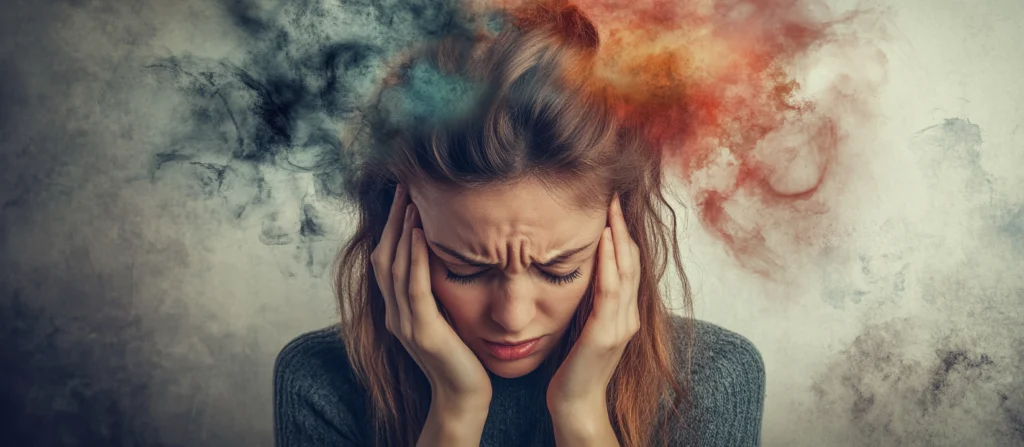
Psychosomatics is an area of medicine and psychology that deals with the interactions between mind and body. It examines how psychological and emotional factors can influence physical symptoms and illnesses. In this context, the insight that many physical complaints do not have exclusively physical causes, but are often also linked to psychological and emotional strain, plays an important role.
The influence of psychosomatics on symptoms
Psychosomatic symptoms are physical complaints triggered or intensified by psychological and emotional factors. These symptoms can be varied and often hard to diagnose, since they cannot always be traced back to a clearly identifiable physical trigger. The most common psychosomatic symptoms include:
– Headaches and migraines: Stress, anxiety and emotional tension can be frequent triggers of headaches and migraines.
– Gastrointestinal problems: Emotional strain such as anxiety and stress can lead to gastrointestinal complaints such as irritable bowel syndrome, nausea and abdominal pain.
– Cardiovascular complaints: Psychological factors such as anxiety and stress can cause or worsen palpitations, high blood pressure and other cardiovascular problems.
– Chronic pain: Psychosomatic influences can intensify or maintain chronic pain in various parts of the body without a clear physical cause being recognisable.
– Skin conditions: Stress and emotional strain can trigger or worsen skin problems such as eczema, psoriasis and acne.
Mechanisms of psychosomatics
The connection between psyche and body is explained by various mechanisms, including:
1. Stress response: Chronic stress activates the autonomic nervous system and the hypothalamic-pituitary-adrenal axis (HPA axis), which leads to the release of stress hormones such as cortisol. These hormones can promote inflammation, weaken the immune system and cause various physical complaints.
2. Emotional processing: Unprocessed emotions and psychological strain can manifest in the body by causing tension and discomfort. The body often responds to suppressed feelings by developing physical symptoms.
3. Behaviour patterns: Psychological strain can lead to unhealthy behaviours, such as smoking, excessive alcohol consumption or poor eating habits, which in turn favour physical complaints and illness.
Dealing with psychosomatic symptoms
Treating psychosomatic symptoms requires a holistic approach that takes into account both the physical and the psychological aspects of the complaints. Some proven methods for coping with and treating psychosomatic symptoms are:
– Talk therapy: Talk therapies such as cognitive behavioural therapy or psychodynamic therapy help identify and work on the psychological and emotional causes of the symptoms.
– Relaxation techniques: Methods such as progressive muscle relaxation, bioenergy therapy and mindfulness meditation can help reduce stress and promote general well-being.
– Biofeedback: This technique helps patients monitor and control their bodily functions by receiving feedback about physiological processes such as heart rate and muscle tension.
Conclusion
Psychosomatics underlines the close connection between mind and body and emphasises the need for a holistic approach to the diagnosis and treatment of illness. By taking into account both the physical and the psychological aspects of our health, we can develop a deeper understanding of the causes of our complaints and find paths to healing and well-being.